On June 24, 2021, the Johnson County Board of Supervisors officially designated Dr. Lulu (pronounced LOO-la) Merle Johnson the county’s eponym. The county had been named in 1837 for Richard Mentor Johnson, a Kentucky slaveholder and vice president of the United States.
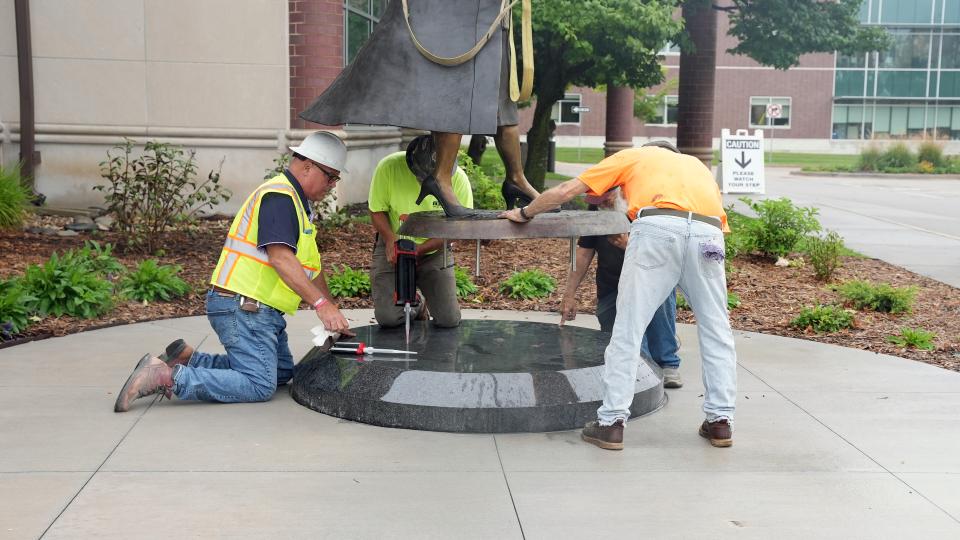
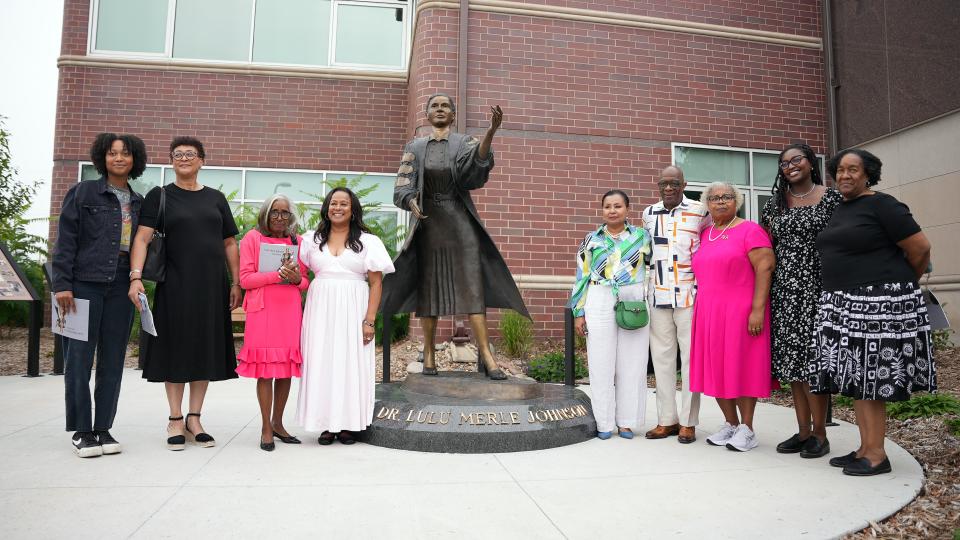
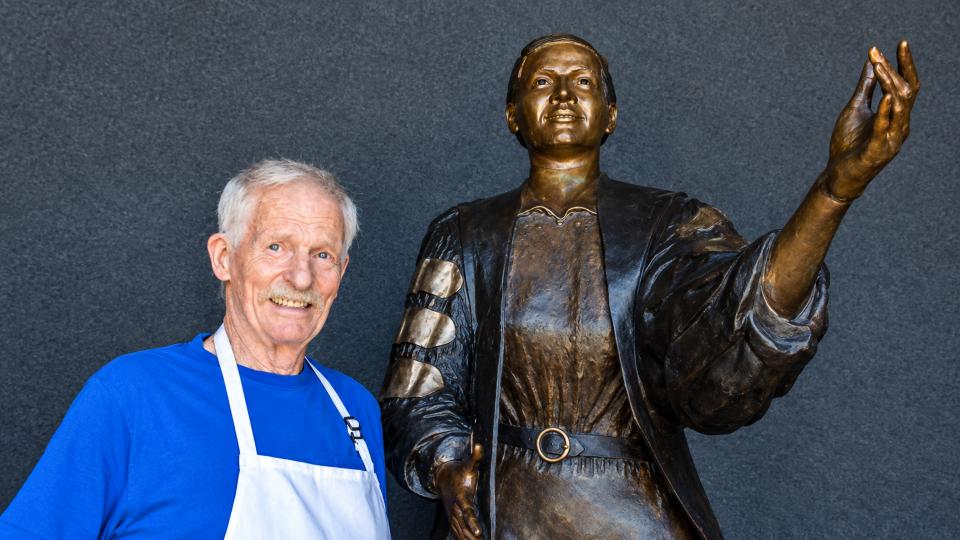
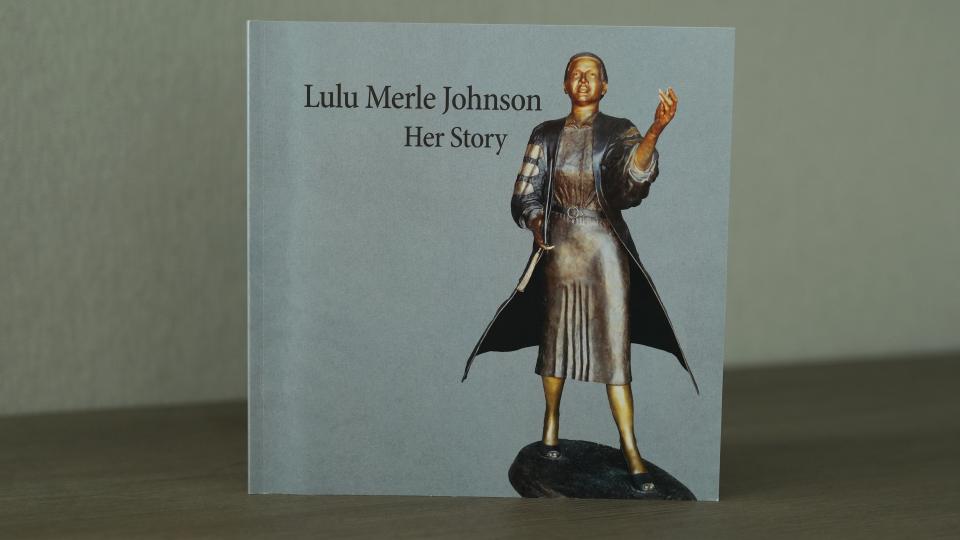
On November 3, 2022, the Board of Supervisors initiated a project to create an outdoor public exhibit commemorating the life and accomplishments of Dr. Johnson. The plaza, located at the front entrance of the Johnson County Administrative Building, 913 S. Dubuque Street, includes a seven-foot, 1,500-pound bronze statue by sculptor Steve Maxon of Max Cast and six interpretive panels.
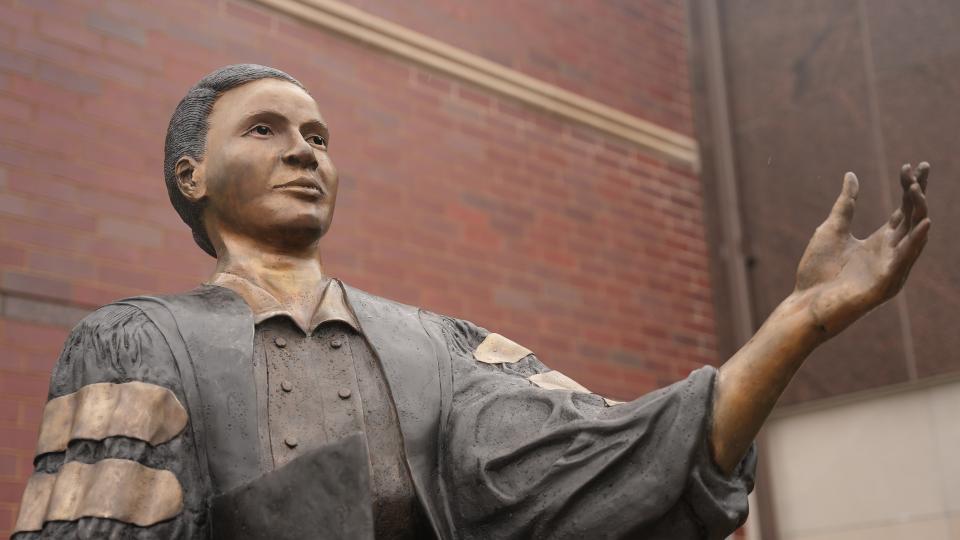
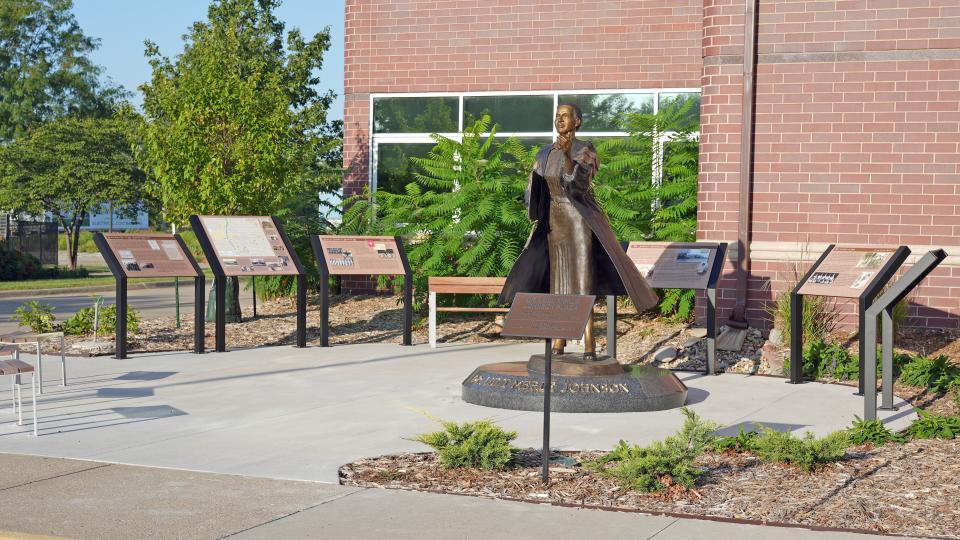
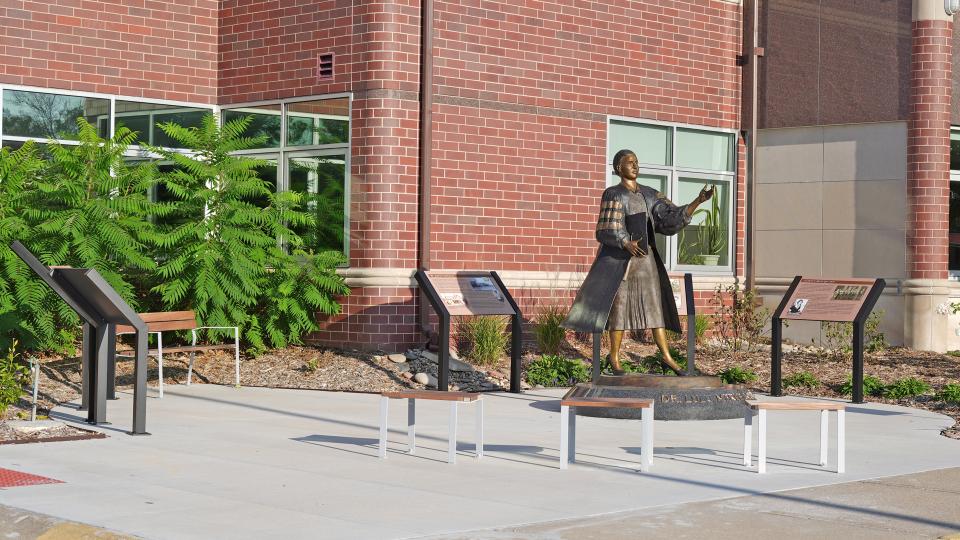
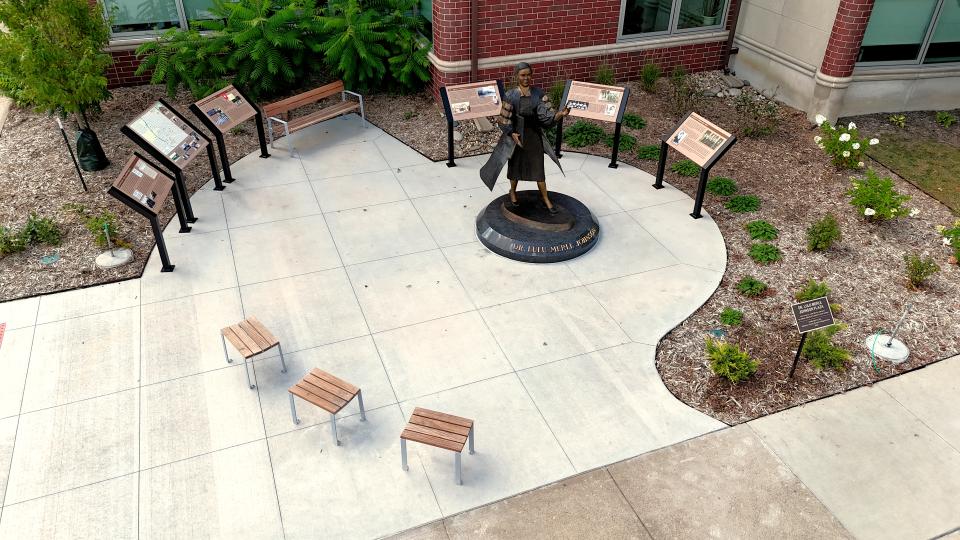
Born in Gravity, Iowa, in 1907, Dr. Lulu Merle Johnson was the granddaughter of formerly enslaved people. She enrolled at the University of Iowa in 1925, when Black students were barred from living in the school’s residence halls. She earned her bachelor’s, master’s, and doctoral degrees from the University of Iowa, becoming the first African American woman in Iowa to earn a Ph.D.
Johnson was also unable to find a teaching job in Iowa, as most colleges and universities refused to hire Black teachers at the time. She spent her career at historically Black colleges and universities instead: Talladega, Tougaloo, Florida A&M, and West Virginia State, before joining Cheyney State in Pennsylvania as a history professor and dean of women in 1952. She created the course The Negro in American Life, developed in the late 1930s and first taught in the fall of 1941 at Tougaloo College. The course was among the earliest college-level Black history courses in the country. She taught it for the rest of her career. Dr. Johnson was Dean of Women at Cheyney State Teachers College from 1946, among the earliest African American women to hold a senior administrative post in American higher education. She retired in 1971 as department chair.